
Menu

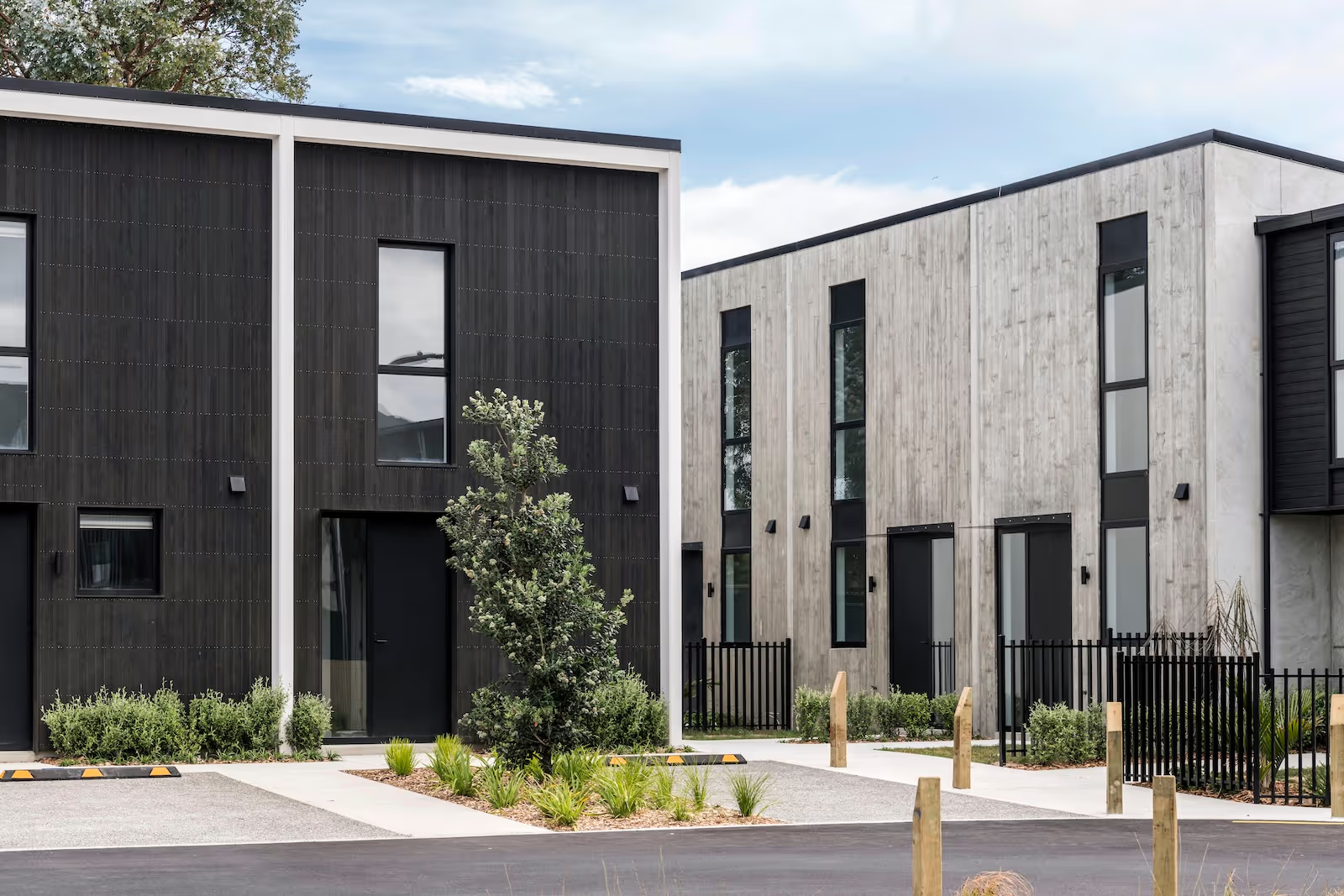


In an era where durability, efficiency, and sustainability are more critical than ever, precast concrete has emerged as a smarter choice for multi-residential buildings across New Zealand. Across the country, developers and designers are turning to precast solutions to reduce long-term costs, improve performance, and deliver high-quality living spaces for residents.
Precast concrete refers to elements—such as walls, floors, stairs, and façade panels—that are manufactured off-site in a controlled factory environment and then transported to the construction site for installation. This method offers a host of benefits over traditional, cast-in-situ construction and other construction methods.
1. Lower Life-Cycle Costs
While precast concrete may have similar or slightly higher upfront material costs compared with conventional construction, the savings over the building’s life cycle are significant.
Why It Saves Money:
2. Superior Fire Resistance
Safety is paramount in residential developments—especially in multi-storey buildings.
Cost Benefit: Lower fire-related insurance costs and reduced risk of fire damage claims.
3. Exceptional Acoustic Performance
Residents value peace and quiet, and NZ standards for acoustic separation (particularly in dense urban environments) are increasingly demanding.
Precast concrete offers excellent sound insulation due to its mass and density. This helps:
Value Impact: Fewer complaint-related repairs and higher tenant retention.
4. Thermal Efficiency and Sustainability
With rising energy costs and a focus on healthy homes, thermal performance is a key consideration.
Long-term Savings: Lower energy consumption reduces operating costs over a building’s lifespan and supports sustainability goals.
5. Environmental Resilience
New Zealand is increasingly experiencing more frequent and intense weather events — from heavy rainfall and flooding to coastal storms and temperature extremes. Precast concrete performs exceptionally well under these conditions.
6. Durability and Longevity
Precast concrete is built to last. Unlike alternatives, it resists:
This means:
Owner Benefit: Higher resale and rental values due to perceived quality and longevity.
Precast concrete isn’t just a construction material — it’s a long-term investment in quality, efficiency, and performance. For multi-residential developments in New Zealand’s competitive property market, it delivers:
At Homestead, our Levin precast facility delivers consistent, high-quality panels without supplier delays. We produce for our own builds and for partners across the region, with every panel monitored from design to delivery.
Whether you’re a developer, investor, or project manager, precast concrete can help future-proof your project — delivering both financial and performance value for decades.
Better thinking in your inbox, join our list.