When it comes to the primary load-bearing elements of commercial buildings, the choice of material can have a significant impact on cost, construction efficiency, and long-term performance. Two popular options in New Zealand are structural steel and roll-formed steel. Understanding their differences—and the pros and cons of each—can help clients make informed decisions for their projects.
What is Structural Steel?
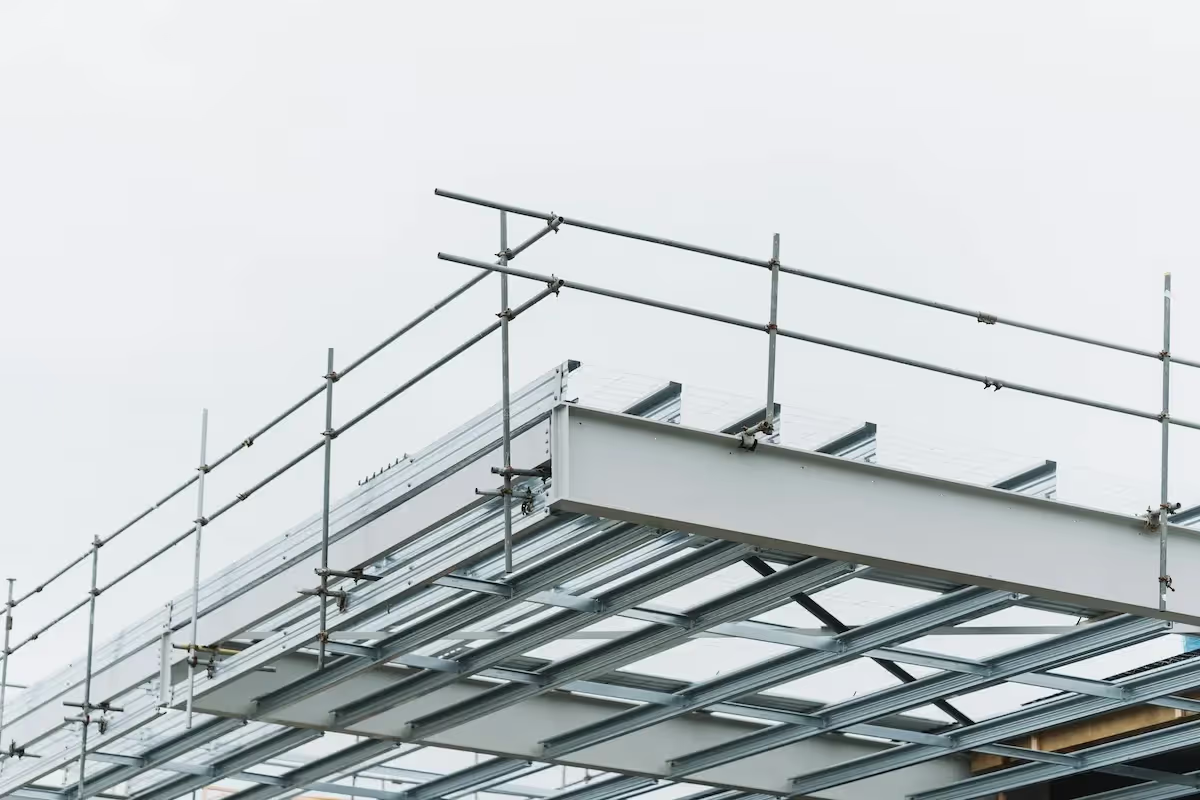
Structural steel refers to pre-fabricated steel sections, such as I and H beams, channels, and hollow sections (SHS/RHS). These components are designed for heavy loads and are commonly used in commercial and industrial buildings.
Pros of Structural Steel:
- High Strength: Ideal for multi-storey buildings and heavy industrial structures, capable of handling higher loads and longer spans.
- Versatility: Can be cut, welded, or bolted to meet complex architectural designs.
- Durability: Excellent longevity when properly coated, with low requirements for ongoing maintenance.
- Predictable Performance: Manufactured to strict standards, ensuring consistent quality and load-bearing capacity.
Cons of Structural Steel:
- Weight: The added weight can increase foundation costs.
- Transport & Handling: Larger beams require cranes and specialized transport.
- Cost: Generally more expensive than roll-form steel, particularly for smaller projects.
What is Roll-Formed Steel?
Roll-formed steel is made by continuously shaping thin steel sheets into structural sections such as box and C channels. This method allows for lighter, modular framing systems that are increasingly popular in commercial construction.
Pros of Roll-Formed Steel:
- Lightweight: Easier to handle on-site and can reduce foundation requirements.
- Cost-Effective: Material cost is lower due to less steel used, and there are less heavy-lifting requirements during installation.
- Sustainability: Uses less steel per section, which can reduce embodied carbon in smaller-scale projects.
Cons of Roll-Formed Steel:
- Lower Load Capacity: Not ideal for high-rise or heavily loaded industrial structures.
- Limited Span: Requires more frequent supports compared with structural steel.
- Space Utilisation: Bulky sections, braces and columns can reduce usable floor space and height and are less compatible with gantry cranes etc.
- Potential for Flexing: Lighter sections may require additional bracing for lateral stability.
- Slower Installation: Installation is slower compared to structural steel due to the larger number of components and fixings required.
Choosing the Right Option
The decision between structural steel and roll-formed steel often comes down to the scale and purpose of your building:
- For large commercial or industrial buildings: Structural steel is often the best choice due to its strength, durability, and ability to accommodate complex usage requirements and designs.
- For smaller office buildings, warehouses, or retail spaces: Roll-formed steel can offer significant cost savings and faster construction times without compromising safety when properly engineered.
At Homestead, we work closely with clients to assess the specific requirements of each project, balancing structural performance, cost efficiency, and suitability. Our expertise ensures your building’s structure is not only safe and durable but also aligned with your project timeline and budget.